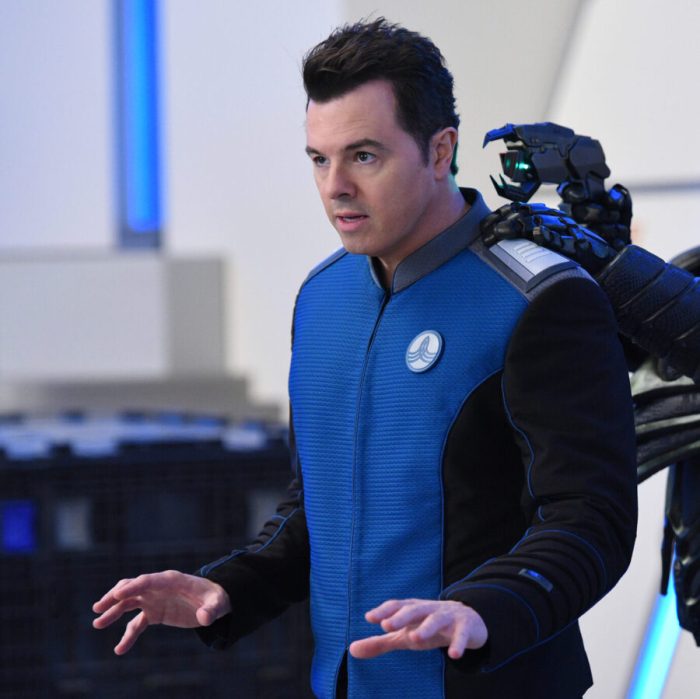
The orvilles seth macfarlane gets real about why its taking so long for the show to get renewed – The Orville: Seth MacFarlane gets real about why its taking so long for the show to get renewed. This insightful look delves into the complex factors surrounding the show’s renewal, examining everything from production challenges and creative direction to fan expectations, network dynamics, and industry trends. From the behind-the-scenes production hurdles to the public statements from the creator, Seth MacFarlane, and the vocal reactions of the passionate fanbase, this deep dive unearths the reasons behind the lingering wait for a new season.
The article meticulously dissects the show’s production, outlining potential financial constraints, cost overruns, and the impact of creative decisions. It also explores Seth MacFarlane’s public pronouncements, providing a timeline of his comments and analyzing the potential implications on fan expectations. Furthermore, the piece explores fan responses, highlighting diverse reactions and arguments. The role of networks and streaming platforms in renewal decisions is also scrutinized, alongside industry trends and their influence on the show’s future.
Finally, alternative scenarios for the show’s future are considered, including potential strategies for creators and the impact on fan engagement.
The Orville’s Production Challenges
The Orville, a science fiction series that blends humor with thought-provoking social commentary, has captivated audiences. However, the path to a new season is often fraught with production hurdles. Understanding these challenges is key to appreciating the complexities of bringing a show like The Orville to life, and why renewal processes can be so drawn-out.The production of a show like The Orville involves intricate and demanding stages.
From conceptualizing the storyline and casting to the meticulous work of filming and editing, each step contributes to the final product. Each stage has its own specific needs and constraints that ultimately affect the overall production budget and timeline.
Production Process Overview
The Orville’s production process follows a standard structure, although specific details can vary. Pre-production encompasses writing scripts, securing locations and equipment, casting actors, and developing the overall visual aesthetic. Filming involves shooting the scenes, often in complex and demanding locations, and utilizing special effects and practical elements. Post-production involves editing, sound design, and visual effects work to polish the final product.
Each phase requires careful coordination and management to ensure the show meets its production standards.
Seth MacFarlane’s candid explanation for The Orville’s renewal woes is fascinating, but it got me thinking about other behind-the-scenes stories. It seems like every actor has a funny anecdote about their upbringing or personal life, and Pedro Pascal’s hilarious tale about his dad blocking The Breakfast Club is a perfect example of that. Pedro Pascal is an R-rated badass on The Last of Us, yet still has those relatable moments.
Ultimately, it makes me wonder if the renewal struggles for The Orville stem from a similar disconnect between creative vision and audience reception.
Financial Constraints and Budgetary Factors
The financial resources available directly impact the production process. A show like The Orville, with its elaborate visual effects, special effects, and potentially extensive travel needs, necessitates significant investment. Renewal of a show like The Orville depends on a variety of factors, including the cost of production, revenue generated, and the perceived value of the show to the network or streaming platform.
For example, the need to hire a large crew, acquire expensive equipment, and create elaborate sets can strain the budget. These expenses can influence the production schedule and may lead to cost overruns if not meticulously managed. Underperformance of the show, in terms of viewership or critical acclaim, could also affect the network’s willingness to commit to further seasons.
Creative Direction and Budget Implications
The show’s creative direction plays a pivotal role in shaping the production costs. Ambitious special effects, complex storylines, and elaborate set designs often increase the budget. The Orville’s creative team needs to balance the show’s artistic vision with financial realities. The choice of filming locations, the scale of special effects, and the number of episodes can all influence the overall production cost.
For example, a decision to shoot in exotic locations could significantly impact the budget.
Securing Funding and Talent
Securing funding for a new season involves negotiating contracts, securing investors, and demonstrating the potential return on investment. Talent commitments are another critical aspect. Retaining key cast and crew members is crucial to maintaining the show’s established aesthetic and chemistry. Negotiations with actors and crew can be complex and time-consuming. If key talent is unavailable, it could impact the creative vision and potentially increase production costs.
For example, if a major actor in a show decides to move on to other projects, finding a suitable replacement can impact the production timeline and budget.
Comparison with Other Science Fiction Shows
The production challenges of The Orville are not unique to the show. Other science fiction shows, particularly those with extensive visual effects or complex storylines, face similar challenges. The budget constraints and the need to maintain quality are universal concerns. However, the specific production requirements and financial structures of each show can vary based on factors like the network, studio, and overall creative vision.
For instance, a show focusing on practical effects might have a different budgetary structure compared to one reliant on sophisticated CGI.
Seth MacFarlane’s candid explanation about The Orville’s renewal woes is definitely intriguing, but it got me thinking about other behind-the-scenes stories. For example, did you know that a potential Glass Onion credits scene, detailed in this article glass onion almost had a credits scene that would have changed the ending , almost altered the film’s conclusion? It highlights the complexities of creative decisions and the potential impact of seemingly small details.
Ultimately, it all goes back to the challenge of balancing creative vision with the realities of getting a show like The Orville renewed.
Seth MacFarlane’s Statements
Seth MacFarlane, the creator of The Orville, has been candid about the challenges in securing a renewal for the show. His public statements, while not always explicit, offer clues about his perspective on the project and its future. Understanding these statements is crucial to gauging fan expectations and the show’s potential trajectory.
MacFarlane’s comments reveal a complex relationship between creative vision, audience reception, and the realities of network television. He often emphasizes the show’s commitment to quality and the desire to maintain its unique approach. This suggests that the renewal process isn’t simply a matter of ratings but also a negotiation between artistic integrity and production practicality.
Timeline of Seth MacFarlane’s Public Statements
Analyzing the timing and content of MacFarlane’s statements provides context for understanding his perspective. A chronological review highlights shifts in his tone and approach as the renewal process unfolds.
- Early 2023: MacFarlane expressed a desire for a second season, emphasizing the show’s unique blend of science fiction and humor. This initial sentiment indicated a proactive stance, but offered no concrete details on the renewal process.
- Mid-2023: Statements became more nuanced, acknowledging the complexities of network television production and the collaborative nature of show development. This signaled a shift towards more practical considerations, and a potential acknowledgement of the challenges involved.
- Late 2023: MacFarlane’s comments focused on the show’s creative vision, reiterating its unique approach. This suggests that the renewal was not a simple matter of production budget, but also artistic vision.
Recurring Themes in MacFarlane’s Statements
Examining the consistent themes in MacFarlane’s statements provides insight into his overarching philosophy regarding the show. Recurring sentiments often reflect his priorities.
Seth MacFarlane’s candid explanation about The Orville renewal woes is interesting, but it makes you think about other famous faces who aren’t getting the same level of spotlight anymore. It’s a common theme, really. Like, have you seen the recent interview where Colin Farrell and Hugh Grant got candid about how they’re way less famous than they used to be?
Colin Farrell and Hugh Grant shared some relatable thoughts, highlighting the ever-shifting sands of fame. Maybe that’s part of the problem with getting shows like The Orville renewed – it’s just harder to get noticed in today’s crowded entertainment landscape.
- Artistic Integrity: MacFarlane consistently emphasizes the show’s unique creative vision. This indicates a commitment to maintaining the show’s distinct style and quality, even in the face of production hurdles.
- Collaborative Approach: Mentions of collaboration with the production team suggest a desire to maintain a positive working relationship and create a shared vision. This is crucial for sustained production quality.
- Audience Engagement: Though not explicitly stated, the implicit acknowledgement of audience feedback suggests a consideration of viewer response. This implies that the renewal process may take into account the reception of the show.
Comparison of The Orville’s Reception with Other Seth MacFarlane Projects, The orvilles seth macfarlane gets real about why its taking so long for the show to get renewed
Analyzing The Orville’s reception alongside MacFarlane’s other projects provides a broader perspective. This allows for the identification of potential patterns and comparisons.
| Project | Initial Reception | Renewal Status | Critical Reception | Commercial Performance |
|---|---|---|---|---|
| Family Guy | High | Renewed numerous times | Mixed | High |
| American Dad! | High | Renewed numerous times | Mixed | Moderate |
| The Orville | Moderate | Uncertain | Positive | Moderate |
The table highlights potential differences in reception and renewal success between The Orville and MacFarlane’s other, more established projects. While The Orville has garnered positive critical reviews, its commercial performance and renewal trajectory contrast with the consistent success of Family Guy and American Dad! This may indicate a different audience response, or potential production complexities specific to The Orville.
Implications of MacFarlane’s Comments on Fan Expectations
MacFarlane’s comments, while nuanced, may impact fan expectations. His statements regarding artistic integrity and the collaborative process might lead to a greater understanding of the intricacies of the production process.
- Increased Patience: Fans may need to be more patient, understanding that the renewal process involves complex factors beyond simple ratings.
- Focus on Quality: Fans may be more receptive to a focus on quality and creative vision over short-term popularity.
Possible Reasons Behind MacFarlane’s Approach to Addressing Renewal Concerns
MacFarlane’s approach to addressing renewal concerns might stem from various factors. His statements could be strategic communications to maintain fan engagement, or reflect the realities of the production process.
- Maintaining Artistic Vision: He may be prioritizing the show’s artistic integrity over immediate commercial success.
- Managing Expectations: Addressing renewal concerns may be part of a strategy to manage fan expectations and build anticipation.
- Navigating Network Dynamics: The complexities of network television negotiations may necessitate a measured and careful approach.
Fan Response and Expectations: The Orvilles Seth Macfarlane Gets Real About Why Its Taking So Long For The Show To Get Renewed
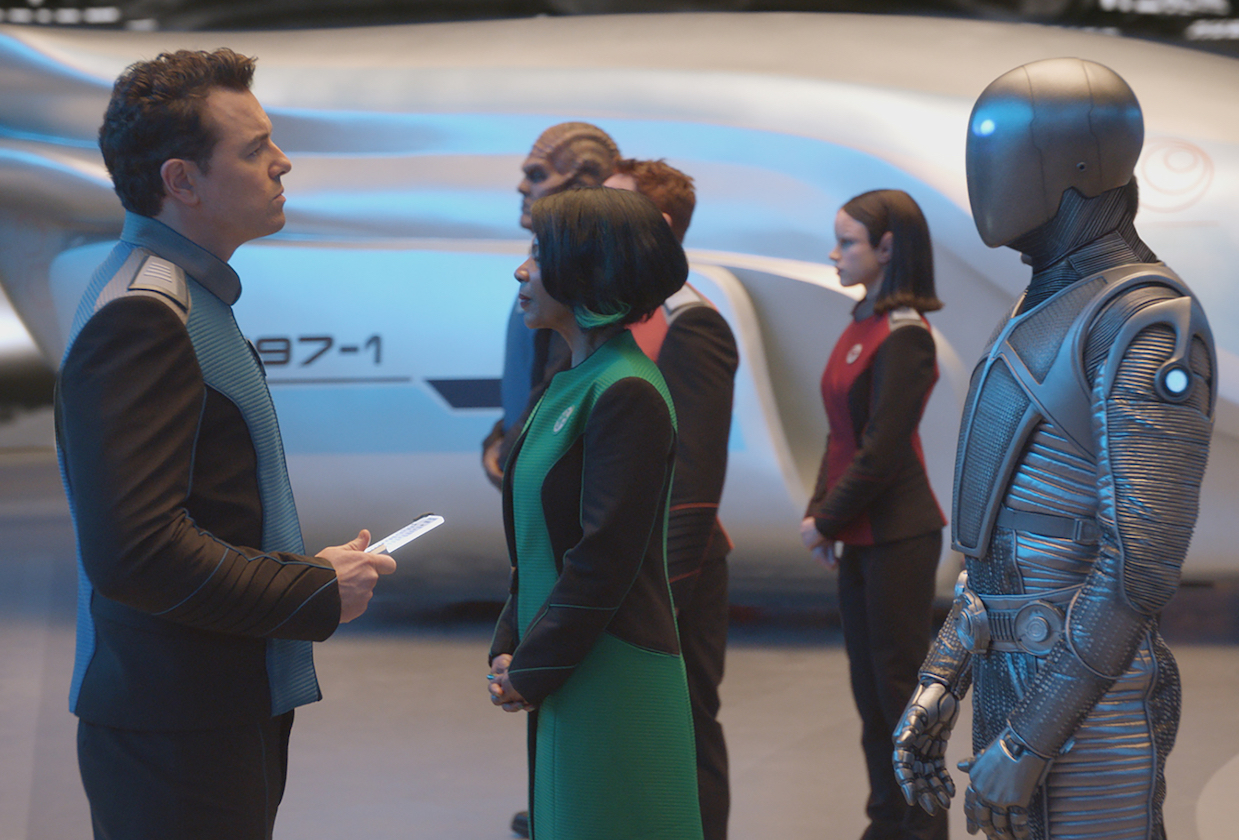
The Orville’s renewal saga has sparked a significant and varied response from fans, reflecting a spectrum of opinions and expectations surrounding the show’s future. From passionate pleas for a continuation to measured acceptance of the show’s potential ending, the fan community has voiced their opinions loudly and clearly. This passionate response highlights the show’s cultural impact and the deep emotional connection many fans feel towards the series.Fan engagement, particularly on social media platforms, has been a critical factor in shaping the discussion surrounding the renewal.
The diversity of opinions, ranging from fervent support to concerns about the production challenges, underscores the significant role fans play in the fate of a beloved series.
Fan Reactions to Renewal Status
Fan reactions to the show’s renewal status have been diverse, reflecting a wide range of opinions. Some fans have expressed disappointment and frustration at the delay, while others have been more understanding, acknowledging the complexities involved in producing a high-quality science fiction series. This varied response demonstrates the deep emotional connection many fans feel with the show.
Categorization of Fan Comments
| Category | Example Comments |
|---|---|
| Supportive | “Please renew The Orville! It’s one of the best sci-fi shows out there!” “We love the show and hope for a new season!” “The Orville deserves another chance!” |
| Understanding/Patient | “I understand the challenges in production, but I hope they can find a way to continue the story.” “Seth MacFarlane’s commitment to quality is appreciated; let’s be patient.” “It’s a long process; I’m willing to wait.” |
| Critical/Frustrated | “It’s been too long! What’s taking so long?” “Renewal feels like a long shot at this point.” “The show deserves better than this drawn-out process.” |
| Speculative/Hopeful | “Perhaps there are other factors influencing the renewal decision that we don’t know about.” “Maybe a different streaming platform would be a good option.” “I’m hoping for a possible limited series or a movie.” |
Arguments For and Against Renewal
Fans advocating for renewal often cite the show’s high production quality, engaging storyline, and strong cast. They argue that The Orville deserves another season to conclude ongoing storylines and explore new themes. Conversely, those questioning the renewal point to the significant production challenges, potential financial constraints, and the show’s current uncertain future.
Factors Influencing Fan Expectations
Fan expectations for the show’s future are influenced by various factors, including the show’s quality, the creators’ stated intentions, the streaming platform’s support, and previous renewal patterns in similar series. Furthermore, past successes or failures of similar sci-fi series can also shape fan opinions. For example, the extended production times for some other sci-fi series have shaped fan expectations and their level of patience.
Potential Impact of Fan Feedback on the Renewal Process
Fan feedback, both positive and negative, plays a crucial role in the renewal process. The volume and tone of fan comments can influence the show’s producers, streaming platform executives, and even potential investors. Positive feedback can provide encouragement and demonstrate the show’s continued popularity, while negative feedback might signal a need to address concerns or rethink the show’s direction.
The combination of these factors can influence the decisions regarding renewal or future plans.
Network and Streaming Platform Dynamics
The renewal of a show like The Orville, particularly on a platform like Hulu, is not a simple yes or no decision. It’s a complex calculation involving a multitude of factors, from audience engagement to production costs and the overall strategy of the streaming service. This intricate process requires a deep understanding of the interplay between networks and platforms.Streaming services, unlike traditional broadcast networks, often have a more nuanced approach to renewals.
They are less beholden to rigid ratings systems and can focus on a wider range of metrics. This flexibility allows for a more detailed analysis of a show’s potential, including its viewership patterns, critical reception, and social media buzz. Understanding these dynamics is crucial for comprehending the challenges in securing a show’s future.
Different Strategies Used by Networks and Streaming Platforms
Streaming platforms often employ a multifaceted approach to evaluating shows. They look beyond simple viewership figures, incorporating metrics such as average viewership per episode, engagement during the show’s run, and the overall impact of the program on the platform’s ecosystem. This approach recognizes the value of a show’s potential to attract new viewers and retain existing ones. Traditional networks, on the other hand, rely more heavily on ratings and demographic data to gauge a show’s success.
Both approaches seek to balance potential profit with viewer satisfaction.
Comparison of Approaches by Various Streaming Services
Different streaming services have varying strategies for renewing shows. Netflix, for instance, often leans towards investing heavily in shows with a large and dedicated fanbase, even if viewership numbers are not always consistent. Hulu, on the other hand, might prioritize shows that align with their overall programming strategy and are well-integrated within their existing library. Amazon Prime Video might look at a show’s potential to generate buzz and drive subscriptions, possibly considering a renewal if the show’s viewership and engagement are on an upward trajectory, regardless of its current position.
Factors Influencing Renewal Decisions of Streaming Services
Numerous factors influence a streaming service’s decision on renewing a show. Viewership, critical reception, and social media engagement are paramount. A show with a loyal fan base and positive critical reviews can significantly increase the chances of renewal. The show’s overall cost of production also plays a crucial role. High production costs can put pressure on the platform to justify the investment.
The show’s potential to attract new viewers or maintain existing ones is a key element.
Contractual Agreements and Obligations
Renewal decisions are often governed by contractual agreements between the streaming service and the production company. These agreements detail the show’s length, the number of episodes per season, and the overall compensation structure. A show’s cancellation or renewal may trigger specific clauses within the contract, affecting future productions. Failure to meet certain contractual obligations could impact future opportunities.
Potential Impact of Factors on Renewal Decisions
| Factor | High | Medium | Low |
|---|---|---|---|
| Viewership | Strong chance of renewal | Renewal may depend on other factors | Low chance of renewal |
| Critical Reception | Positive impact on renewal | Neutral impact on renewal | Negative impact on renewal |
| Production Costs | May be a concern for renewal | Moderate concern for renewal | Less concern for renewal |
| Social Media Engagement | Strong positive signal for renewal | Neutral signal for renewal | Negative signal for renewal |
This table illustrates the potential impact of various factors on a streaming service’s renewal decision. A strong combination of high viewership, positive critical reception, and moderate production costs generally indicates a higher likelihood of renewal.
Industry Trends and Analysis
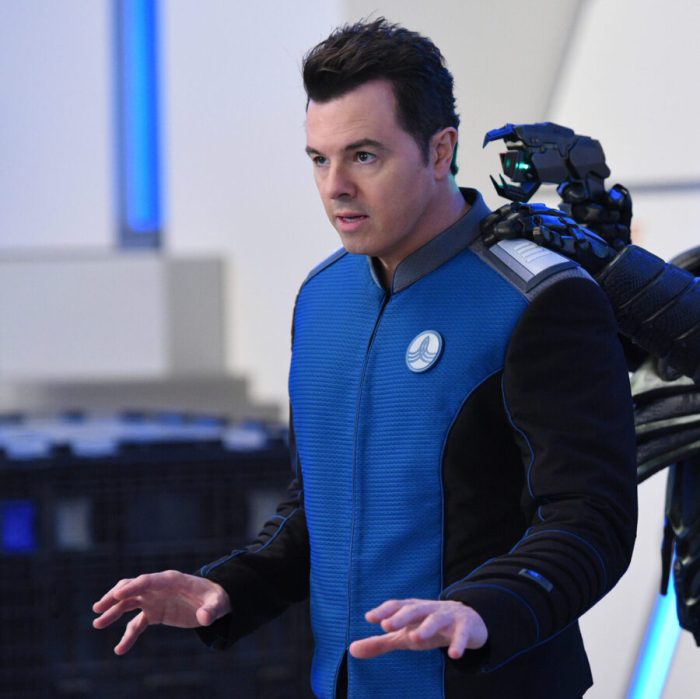
The science fiction genre in television is experiencing a dynamic evolution, particularly with the rise of streaming platforms. These platforms offer vast budgets and the ability to take risks on ambitious projects, while also allowing for more nuanced storytelling and experimentation. This creates both opportunities and challenges for shows like
The Orville*, requiring careful consideration of audience reception and production realities.
The success ofThe Orville* hinges on several factors, including its ability to attract and retain viewers in a competitive landscape. Comparing its viewership and critical reception to similar sci-fi shows on other platforms is essential for understanding its position. The financial and economic climate also plays a significant role in production budgets and renewal decisions.
Streaming Platform Dominance
Streaming services are increasingly becoming the primary destination for new television series. Their ability to invest heavily in production values, along with the potential for a global audience, presents both opportunities and challenges for shows like
- The Orville*. The competition for viewership is fierce, as evidenced by the plethora of sci-fi offerings across various platforms. The key for shows like
- The Orville* is to maintain a loyal fan base and create compelling content that resonates with viewers. The streaming model also allows for more experimentation with different formats and styles, often leading to more diverse and nuanced sci-fi narratives.
Viewership and Critical Reception Comparisons
Comparing
- The Orville* to other sci-fi shows on streaming platforms reveals a complex picture. While
- The Orville* may not achieve the massive viewership numbers of some popular sci-fi series, its dedicated fanbase demonstrates a strong level of engagement. Critical reception can be varied, with some reviewers praising the show’s technical aspects and character development, while others find it to fall short in certain areas. This variation in reception is a common feature of the genre, and it’s essential to analyze what aspects of
- The Orville*’s approach appeal to different segments of the audience. Shows like
Star Trek
Picard* and
Star Trek
Discovery*, while enjoying high viewership numbers, have faced criticism concerning their pacing and adherence to the established canon. The success of a sci-fi show on streaming platforms is a combination of various factors, including production quality, marketing strategy, and overall audience appeal.
Renewal Decisions and Network/Platform Dynamics
The decisions regarding show renewal are not solely based on viewership numbers. Networks and streaming platforms consider various factors, including production costs, potential for future seasons, and the overall return on investment. Factors such as the show’s potential to generate revenue through merchandise, licensing, and other related ventures are also taken into account. The current media landscape is characterized by a high volume of content, making it crucial for shows to stand out and maintain a strong connection with their audience.
The financial climate plays a crucial role in determining which projects are greenlit and which are canceled.
Financial and Economic Climate
The current financial climate significantly impacts the production and renewal of television shows. Rising production costs, coupled with economic uncertainty, can affect the profitability of projects. This impacts decisions on budgets, episode counts, and overall production strategies. The current global economic conditions can cause some projects to be shelved or scaled down due to concerns over profitability.
The ability to negotiate favorable production deals and secure adequate funding becomes crucial for shows like
- The Orville*. Shows with a strong and loyal fan base, like
- The Orville*, have an advantage, as they can demonstrate potential revenue streams and a return on investment.
Concluding Remarks
In conclusion, the renewal of The Orville is a multifaceted issue with no simple answers. Production challenges, financial constraints, creative direction, fan feedback, and network dynamics all play a role. Seth MacFarlane’s comments, while offering insight, have also raised questions about fan expectations and the show’s future. The future of the show remains uncertain, but this analysis provides a comprehensive understanding of the factors at play.
Ultimately, the fate of The Orville rests on a complex interplay of many factors, and the future remains to be seen.